
The Investigation’s Competing Suspects
Here There Is No WhyThe suspected perpetrators change as the investigation reveals how political, religious, and personal motives can create convincing but misleading narratives.
increasing Bearing strength in each event
 decreasing
Bearing strength in each eventdecreasingA Family Hypothesis
A Family Hypothesis
The obvious suspects
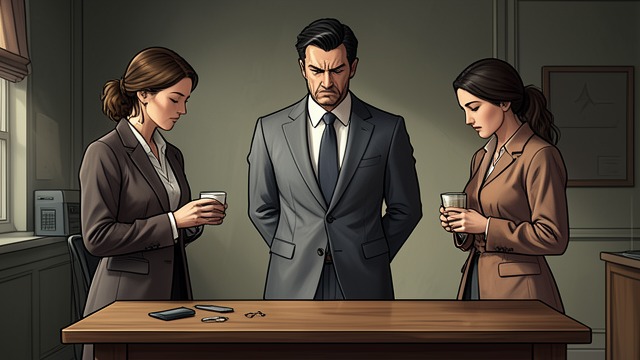
Charlie asks Judah who could have killed Chaim if the death was a homicide. Judah names Zehava and Michal, while excluding Yoav because he was under medical supervision.
Familiarity as a defense
Judah finds it hard to imagine the women he loved and trusted as killers. His personal closeness becomes an obstacle to impartial investigation even before he understands the alibis.
The Political File
The Political File
Threats in the record
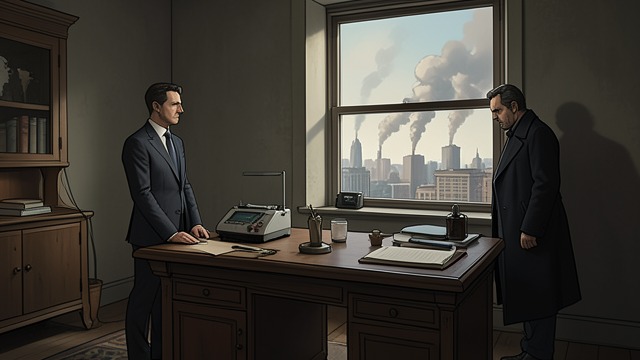
Charlie shows Judah reports on nationalist groups and threats against leftist voices. The material establishes a climate in which political violence against Chaim is conceivable.
A motive without a method
The groups’ rhetoric does not match a concealed, intimate killing made to look like suicide. The political file supplies context, but no direct evidence linking a particular group to the fall.
The Religious File
The Religious File
A doctrinal grievance
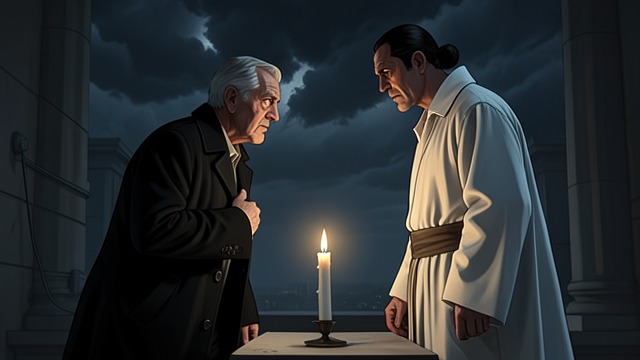
Chaim’s limited-God theology has angered powerful religious figures. Rabbi Kaplowitz’s warning that God might demonstrate power and Alon’s hostility make the religious world appear threatening.
Ideology becomes a lead
Charlie directs Judah toward figures with access, grievance, and public influence. The investigation treats theological opposition as a possible motive, even though no evidence yet connects doctrine to the fatal encounter.
A Minister Near the Scene
A Minister Near the Scene
A damaging admission
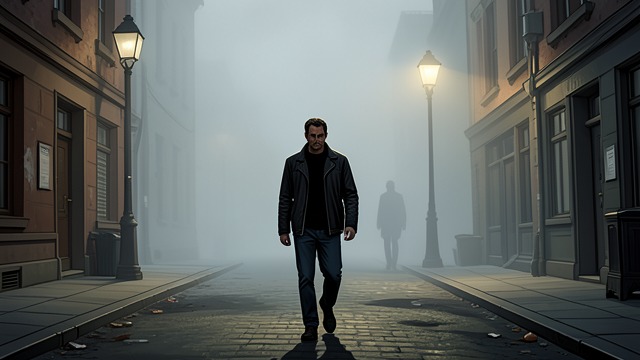
Alon says he was walking to Chaim’s home around the time of the fall because he planned to confront him. He had expressed murderous hatred, yet the police never questioned him.
Suspicion grows
The coincidence appears to establish both motive and opportunity. Judah is unnerved that Charlie withheld the detail, and the case begins to look like an investigation distorted by power.
A Plot Built to Distract
A Plot Built to Distract
The case changes again
Charlie admits that the suspects’ supposed blackmail plan was invented. Alon and Kaplowitz cooperated to divert attention from Zehava and prevent pressure for an official investigation.
Suspicion returns home
The false trail confirms that Judah is not dealing with ordinary investigative mistakes. Its purpose was to protect a political ally and conceal the family’s private truth.
July 2005, during Charlie’s first case briefing
July 2005, during the review of police documents
July 2005, before Judah meets Meir Alon
July 2005, during Judah’s first interview with Alon
July 2005, after Charlie admits his deception
